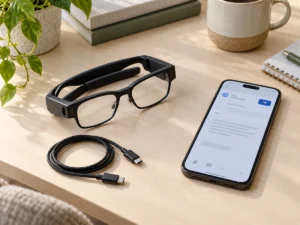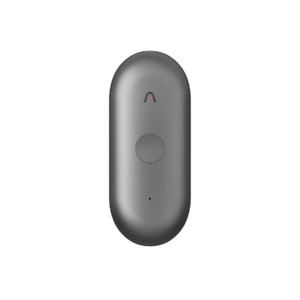
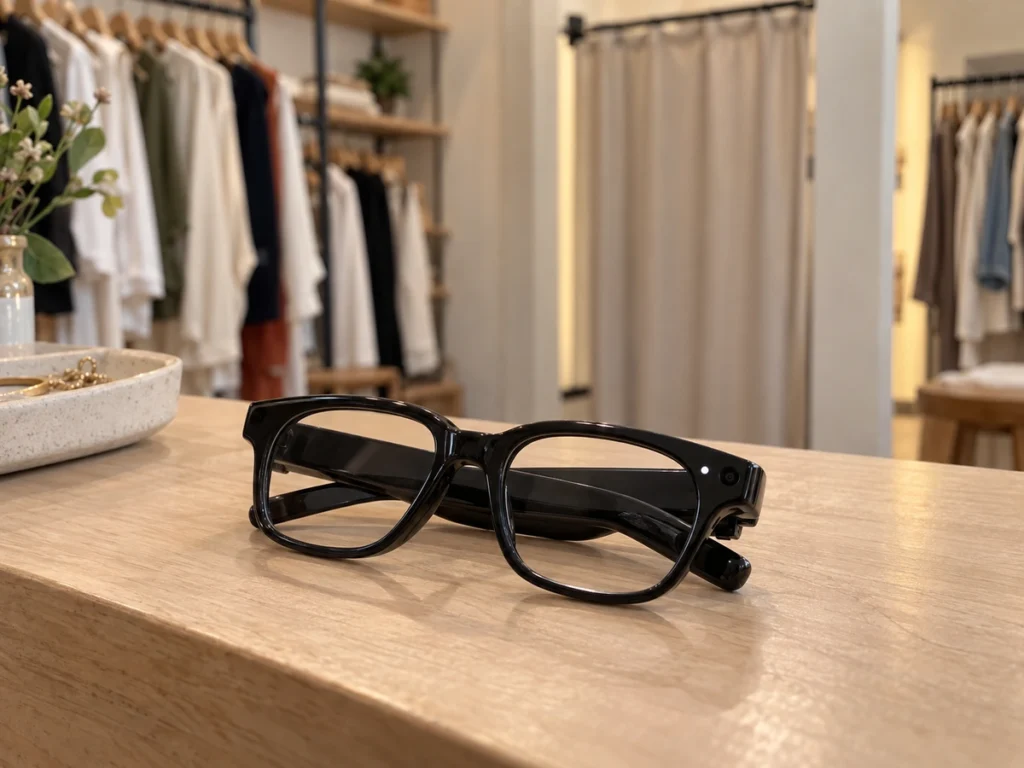
California will not get a law written for smart glasses this year. On September 30, 2026, Governor Gavin Newsom returned SB 1130 unsigned. The bill would have made it a misdemeanor to record people with a wearable camera or microphone in private areas of a business without their explicit consent. If you wear Ray-Ban Meta glasses or clip an AI recorder to your shirt in California, the rules you live under did not change on October 1. What the SB 1130 veto removed is a duty for makers: from January 1, 2028, every wearable that records would have needed a light, sound or other signal that people nearby could notice.
Where the recording ban would have applied
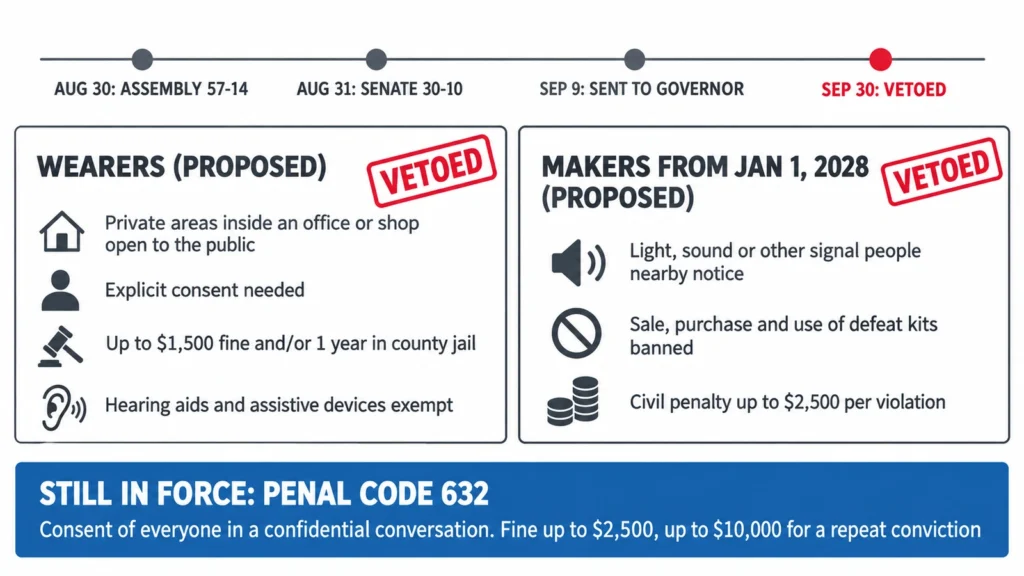
The ban was narrower than most headlines about it. It covered “any area within a place of business” where a person has a reasonable expectation of privacy, and the bill defined a place of business as a physical office or shop where the public receives goods or services. A fitting room or a clinic’s exam room is the kind of space that wording points at. A sidewalk or a park was never inside it.
A “capture” counted only when sound or video was stored or sent to another person, and the bill excluded “the temporary processing of sound or video that is not stored or transmitted.” Whether a live AI request that sends a frame to Meta’s servers counts as transmitting is a question the text left open.
A violation would have carried a fine of up to $1,500 per violation, up to a year in county jail, or both. The people recorded got no right to sue under the new section, and makers and app providers were not liable just for building the device or running its service. Hearing aids and assistive devices used by people with disabilities were exempt.
The 2028 light rule that went with it
The second half of the bill was aimed at the hardware. From January 1, 2028, no one could have made or sold in California a wearable recording device without an indicator “sufficiently prominent so that a reasonable person in the vicinity would be alerted.” Selling, buying or using any product built mainly to defeat that indicator would also have been banned, with a civil penalty of up to $2,500 per violation for a knowing breach. Taping over the light yourself would have been a crime under the recording section.
Meta already does part of this by choice. Its privacy page says the capture LED blinks for a photo, keeps blinking while video records, and that the glasses disable the camera if they detect the light was covered, tampered with or destroyed.
That is company policy, which Meta can change, and it covers the camera only, since the page says nothing about a signal for audio.
Audio is where the 2028 rule would have reached furthest. The definition took in any device worn on the body that can record sound or send it to another device or the internet. Clip-on AI recorders and pendants fall inside that wording. So do camera-free glasses such as Ray-Ban Meta Audio, unless a court had treated them as “traditional wireless headphones or earphones,” the one audio exclusion. The veto letter mentions neither the indicator rule nor the ban on defeat kits.
The governor’s two objections
Newsom’s first objection is the definition, which he wrote “could include certain smartwatches or other worn devices widely used in public spaces and capable of recording, which could lead to significant confusion and unintended consequences.” Read against the text, that objection is concrete. A watch with a microphone that takes calls or saves voice memos is worn on the body and can record or transmit sound, so it meets the definition. From 2028 it would have needed a signal the people around the wearer could notice, which an icon on the watch’s own screen would struggle to meet. That is our reading of the bill, and no watchmaker has commented on it.
His second objection is overlap. The letter says existing law already makes it a crime to use an electronic device to record a person where they have a reasonable expectation of privacy, and to record confidential communications without consent. Newsom also wrote that he supports the author’s attempt and that the issue needs “precision and care,” which leaves the door open to a tighter bill.
What California law already says
Penal Code 632, the law SB 1130 would have sat beside, bars recording a confidential conversation without the consent of everyone in it. The Legislative Counsel’s summary of the bill puts the penalty at a fine of up to $2,500 and jail time, rising to $10,000 for a repeat conviction. It applies whatever the device is, so an AI recorder on your lapel during a private meeting is already covered.
For an owner, the position is the same as it was in September. Ask before recording a conversation people expect to stay private, and take camera glasses off in fitting rooms, restrooms and clinics. Regulators in Europe read the existing rules more strictly. In September the Dutch regulator said filming others with camera glasses is almost always unlawful there, and that the recording light does not count as notice.
Could the bill come back
An override needs two thirds of each house, which is 27 votes in the 40-member Senate and 54 in the 80-member Assembly. SB 1130 passed its final votes with more than that, 57 to 14 in the Assembly on August 30 and 30 to 10 in the Senate the next day. On paper the votes exist. The Legislature has not overridden a governor since 1979, and the bill’s record now reads “Consideration of Governor’s veto pending.”
A rewritten bill would have to start over in the session that opens in December. If one returns with the indicator rule and a narrower definition, it will matter most to audio wearables, because camera glasses from Meta already light up when they film.