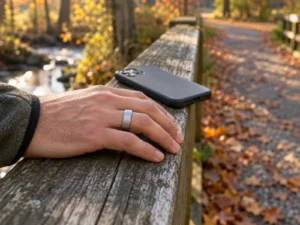
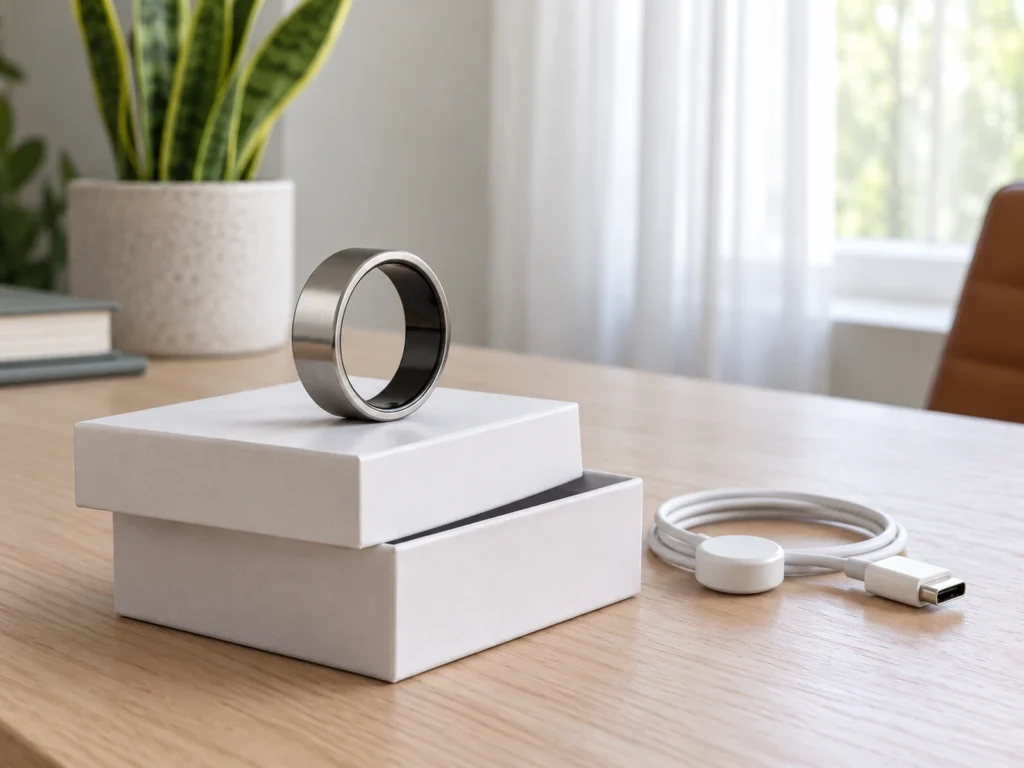
Oura Jet Lag Plan gives eligible members timed guidance for trips across three or more time zones. It began rolling out on November 17 for Gen3 and newer rings with the app set to English. Your itinerary, usual sleep schedule and chronotype shape the plan. Oura’s announcement describes the feature, but doesn’t establish how much it reduces jet lag.
Set up the trip before departure
Tap the plus button on Today and select Jet Lag, choose Jet Lag from the app menu, or ask Oura Advisor about an upcoming trip. Enter the flights, including stopovers, and the purpose of the trip. A phone time-zone change of at least three hours may also prompt a plan after arrival.
The plan schedules light exposure, winding down for sleep and stopping caffeine. You can mark actions complete and receive reminders. If plans change, edit the trip or ask Advisor to propose a revision. Oura says you review and confirm those changes before they take effect.
What the recovery scores show
Oura compares Readiness with typical recoveries from similar trips using member trip data. The final report compares Sleep and Readiness scores with your pre-trip baseline and records completed actions.
Those comparisons can help you review a trip. They don’t isolate the effect of following the plan from changes in flights, sleep opportunities or other circumstances. A higher score alone can’t establish that the feature caused the improvement.
Why the timing of light matters
The CDC Yellow Book describes timed light exposure and jet lag calculators among approaches used to manage jet lag. The timing depends on the direction and size of the time-zone shift. Oura’s practical contribution is putting a schedule alongside the sleep history already recorded by the ring.
The CDC’s discussion supports timed light as an approach. It doesn’t evaluate this Oura feature. Its chapter also explains that incorrectly timed melatonin can worsen circadian misalignment. Ask a healthcare professional about medication or supplement use before adding it to an app schedule.
Very short trips need a different decision
The CDC lists keeping home-base sleep hours for short trips where adaptation would be limited. One of its practical examples uses trips of less than two days. That is a narrower situation than saying everyone on a three-night trip should stay on home time.
The chapter gives average adaptation rates of about one hour per day eastward and one and a half westward. Individual travel and sleep conditions vary, so those averages aren’t a countdown to full recovery. Oura says trip purpose affects its plan, but the announcement doesn’t explain when it would recommend keeping home hours.
Our take
For an existing member, building a plan before a longer trip is a useful way to organize the light and sleep guidance. Gen3 is included, so the feature alone doesn’t justify replacing that ring. Check the daily recommendations against your actual itinerary and any medical advice you have received.