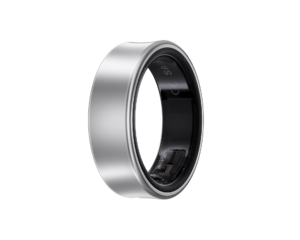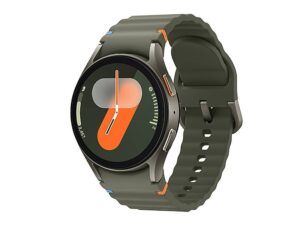
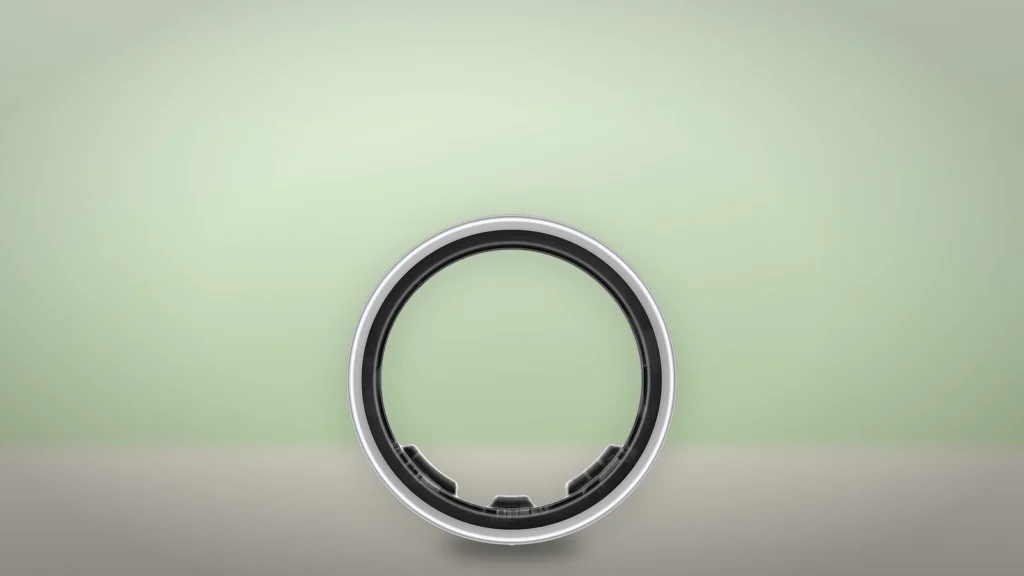
In the study supporting Samsung’s Sleep Apnea Feature v2.0, the Galaxy Ring flagged 155 of 199 participants with moderate to severe sleep apnea (77.9%). The Galaxy Watch flagged 188 of 207 (90.8%). Those figures describe study sensitivity, not the probability that an individual result is correct. The FDA cleared this version in July 2026.
On October 28, Samsung said the same version is now cleared in South Korea and arrives there in November. Its US page for the app still describes the older check, which runs on a watch only.
Two nights and one line at 15
The check lives in Samsung's Health Monitor app and needs a Galaxy phone alongside the ring or watch. It reads the optical sensor's pulse and blood oxygen signals while you sleep, plus motion, and counts the drops in oxygen that come with disrupted breathing.
You need two nights of usable data within 10 days. Samsung's Korean announcement says each night has to include at least five hours of sleep.
At 15 or more breathing disruptions an hour, averaged over the two nights, the result is positive. The app then shows your average and tells you to talk to your doctor. Below that line, you get a negative result.
This version lowers the minimum age from 22 to 18. It still isn't meant for anyone already diagnosed with sleep apnea, and the FDA labeling says it doesn't replace a diagnosis by a clinician.
Ring and watch results in Samsung's study
Participants at several centers wore a Galaxy Watch and a Galaxy Ring through two nights of full lab sleep testing. The FDA summary reports each device on its own.
| Galaxy Watch | Galaxy Ring | |
|---|---|---|
| People with moderate to severe sleep apnea it flagged | 188 of 207 (90.8%) | 155 of 199 (77.9%) |
| People without moderate to severe sleep apnea who got a negative result | 242 of 268 (90.3%) | 259 of 270 (95.9%) |
The watch missed 19 of the 207 people who had moderate to severe sleep apnea. The ring missed 44 of 199, about one in five.
The ring made fewer mistakes in the other direction. It wrongly flagged 11 of the 270 people who did not have moderate to severe sleep apnea. The watch wrongly flagged 26 of 268.
Both devices missed cases and produced false alarms. A negative result cannot rule out sleep apnea, and a positive result needs clinical follow-up. The FDA labeling warns against relying on the feature in a way that delays diagnosis or treatment. The watch had higher sensitivity in this study; that does not establish how either device will perform for an individual user.
Where the ring misses more
Among women, the ring flagged only about six in ten of those with moderate to severe sleep apnea. The watch flagged about 85 percent. The ring also did worse with people under 40, flagging about two in three.
Men fared better on both devices, at 85.5 percent on the ring and 94.1 percent on the watch. Each of these groups is a slice of the study, so read the figures as rough.
These subgroup figures are less precise than the overall results. Whatever your age or sex, discuss persistent sleep concerns with a clinician even after a negative screening result.
About one sleep session in eight gave no result on the watch, and about one in seven on the ring. If a session is unusable, follow the app’s instructions for collecting the required two valid nights within 10 days.
Korea first, in November
The new check starts in Korea on the Galaxy Ring, Galaxy Watch9 and Galaxy Watch Ultra 2. Samsung says older models such as the Galaxy Watch7 and Watch8 follow in a later update, once they run Wear OS 7. Galaxy watches from the Watch4 on keep the current check, which only says whether signs of sleep apnea are present.
Korean owners will see their breathing disruptions sorted into three levels: mild, occasional and frequent. The FDA summary describes a positive or negative result at the 15-an-hour line, with the average shown beside a positive one. Samsung hasn't said whether US owners will get the three levels.
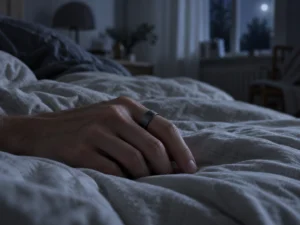
For US owners, the ring matters more than the levels. Samsung pitches it as light and easy to wear in bed, which helps a check that needs several full nights. Still, we wouldn't buy a Galaxy Ring for this check alone, since the watch caught more cases in the same study.
What a US owner can use today
Samsung's US page for Health Monitor still lists the first version: Galaxy watches only, adults 22 and older, and a compatible Galaxy phone. The Galaxy Ring isn't on it yet. A ring paired with a Pixel or another Android phone won't run the new check either, because the clearance covers a Galaxy ring or watch with a Galaxy phone.
In the study behind its 2024 authorization, the first version flagged 82.7 percent of moderate to severe cases. Samsung’s US page lists Galaxy Watch4 and later models, paired with a compatible Galaxy phone, for the current feature.
If you're 22 or older and have both, you don't need to wait for a US date. Start the sleep apnea check in Samsung Health Monitor and wear the watch to bed for two nights within the next 10 days.