You can still buy an Ultrahuman Ring PRO in the US, and a ring you already own works as before. Oura’s new patent lawsuit, filed on October 23, is a complaint, and a complaint alone doesn’t stop sales. If a court ever does, the last ban on Ultrahuman’s rings left the ones already sold working, with app updates and warranty support.
That is how Ultrahuman behaved in 2025, and it has made no promise for this case. The 30-day return window on the Ring PRO is the safety net you can count on.
Oura’s complaint of October 23
Oura filed the complaint in the US District Court for the Eastern District of Texas, according to its announcement that day. It says Ultrahuman’s latest ring, a redesign meant to avoid Oura’s patents, still copies them.
The announcement calls Ultrahuman’s claim that the redesign no longer infringes “false.” The new suit asserts additional patents, including design and utility patents. A design patent protects how a product looks, and a utility patent protects how it works.
Oura’s announcement doesn’t name the patents or say what it is asking the court to order.
The Ring PRO’s return to US stores
The first round went to the US International Trade Commission. Its 2025 ruling found that Ultrahuman’s ring infringed Oura’s patents and barred its smart rings and components from being imported. The cutoff date was October 21, 2025.
Ultrahuman answered with the Ring PRO, a new design. It opened US pre-orders on March 24, 2026, after US Customs and Border Protection cleared the ring for import. The company says it now builds its rings in Plano, Texas.
The customs clearance settled whether the Ring PRO falls under the 2025 import ban. The new case moves the fight to a federal court and to patents that weren’t part of that ban.
RingConn, the other ring maker named in the 2025 ruling, settled. On October 21, 2025, Oura announced a multi-year patent license under which RingConn pays royalties and keeps selling its rings and app in the US. Ultrahuman redesigned instead.
What happened to owners the last time
When the 2025 ban took effect, Ultrahuman told US owners of its Ring AIR that they would keep using it “exactly as before.” That promise covered the subscription-free health insights, feature updates and full warranty support.
Stores were allowed to sell the stock they already had. People who bought a Ring AIR after the cutoff still got diagnostics and tech support from Ultrahuman. Returns went through the store that sold the ring.
So the last order stopped new rings at the border and left the ones in use alone. A future court order could be worded differently, and Ultrahuman hasn’t said what it would do for Ring PRO owners.
What the ring keeps on its own
The Ring PRO stores up to 250 days of data on the ring itself, and the optional PRO Charging Case holds up to a year. It keeps recording when your phone is out of range and syncs the next time it connects.
Your history lives with your Ultrahuman account rather than the ring, so it survives a switch to a new ring. Paid add-ons are tied to the account as well. One example is HealthEx, which brings US medical records into the app for a monthly fee.
All of that runs through the Ultrahuman app. The ring itself needs no subscription, so the support that would matter in a worst case is the app, since no membership is at stake.
Buying one this month
Ultrahuman’s US store listed the Ring PRO at $479 on October 24, with shipping by October 25. Its FAQ gives you 30 days from delivery to return it if you’re not satisfied, and return shipping is free.
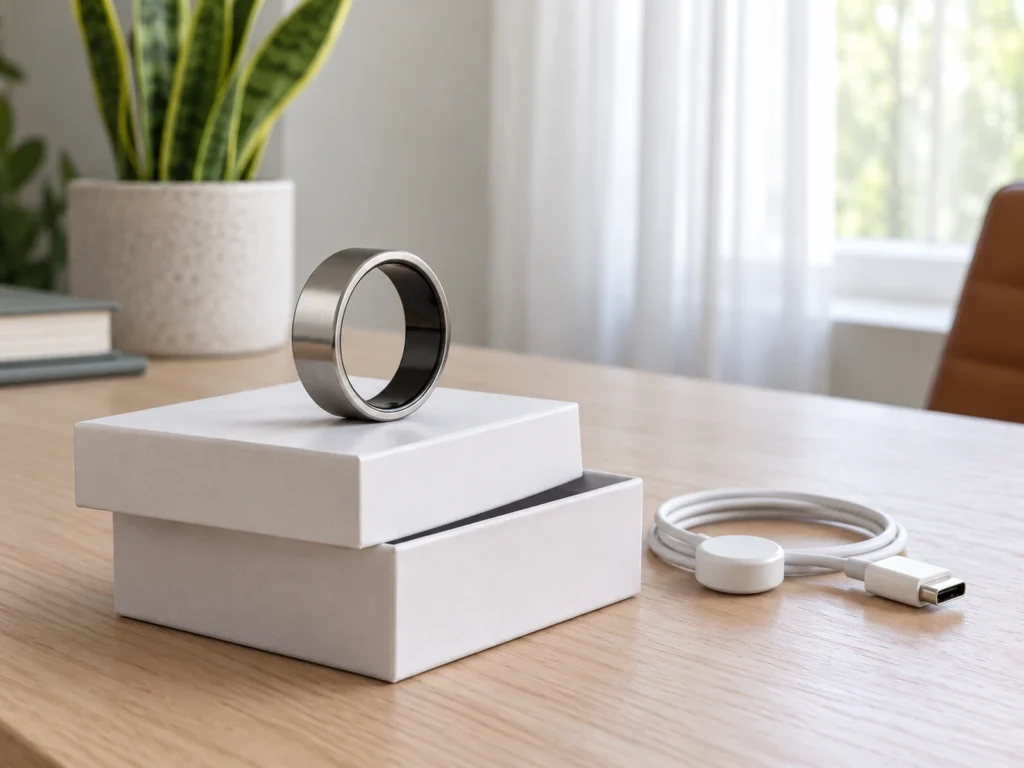
The return has to include all the original accessories, the charger among them, in the original packaging. Keep the box and the charger until the 30 days are up.
The warranty runs for one year from delivery and covers defects in materials and workmanship. If you own a Ring AIR, your size carries over to the Ring PRO, and Ultrahuman takes the old ring as a trade-in for credit.
The next step in the case
Ultrahuman now has to answer the complaint in the Texas court. Until a judge orders otherwise, the Ring PRO stays on sale.
Its answer will show whether it plans to fight the new patents the way it fought the old one.