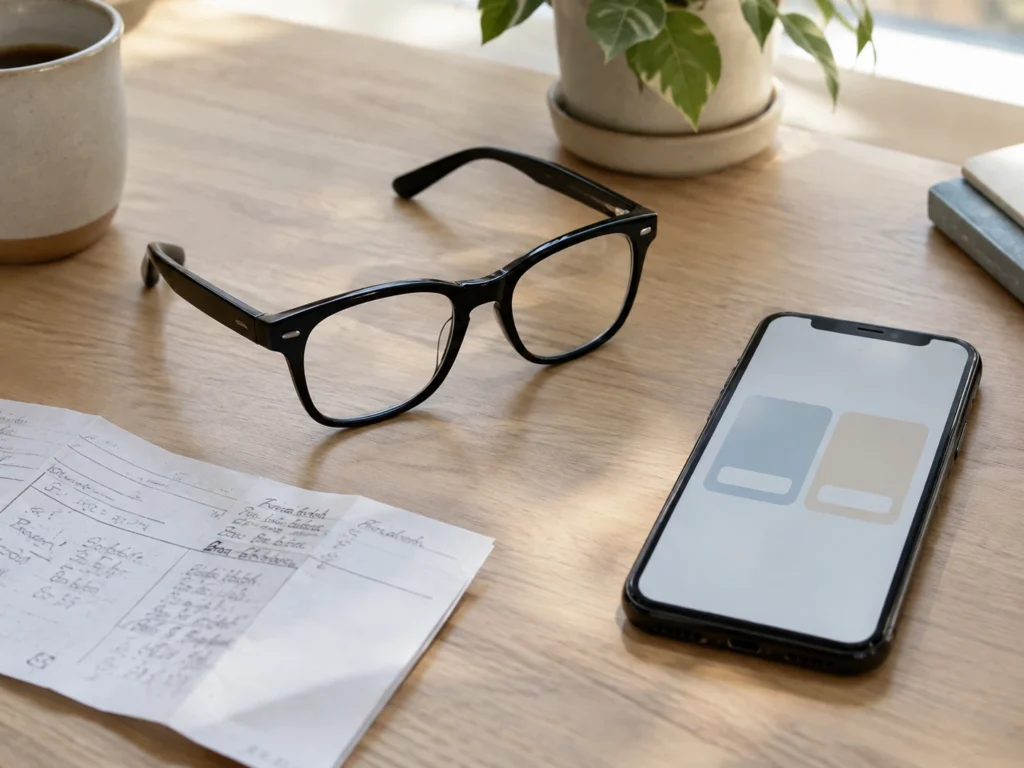
“The free plan does not include AI-powered services, you may use VONDER as your everyday Bluetooth earphones.” That sentence is in section 5.5 of VONDER’s terms of service. The VONDER AI glasses went on pre-order on September 28, 2026, at 6 a.m. Pacific time. The frames start at $299 on VONDER.ai and BestBuy.com, with shipping promised for November. The assistant, the Memory feature and the rest of the AI need a Starter or Pro plan. On pre-order morning, neither VONDER’s site nor its launch announcement gave a price for either.
What the $299 buys
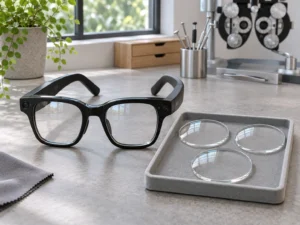
VONDER sells the glasses as eyewear first. There is no camera and no display. By VONDER’s figures a pair weighs under 30 grams, runs more than 16 hours on a charge, reaches 80 percent in 25 minutes and carries an IP54 rating against dust and splashes. The Basel frame starts at $299. The Oslo and Antwerp frames start at $399. Lenses can be clear, tinted, gradient or Transitions, and prescription orders include single vision and progressive lenses, with the prescription uploaded at checkout.
Under VONDER’s terms, that hardware is a pair of open-ear Bluetooth headphones in a glasses frame until you pay for a plan.
Starter and Pro plans
The paid plans cover the AI assistant (chat), Memory, News and Deep Reading, “subject to different usage limits per plan.” VONDER also sells “usage boosts” on top. The assistant can switch between ChatGPT, Claude, Gemini and VONDER’s own mix of models. Over time, Memory builds what the company calls a Personal Memory Graph from your notes and conversations.
The terms skip the prices but do spell out billing. Plans run monthly or annually and renew automatically. Fees aren’t refunded if you cancel partway through a cycle. Canceling doesn’t delete your Memory data either, so if you stop paying, deleting it is a separate step in the app. VONDER can change plans, limits and prices, with advance notice for changes that materially affect a paid plan.
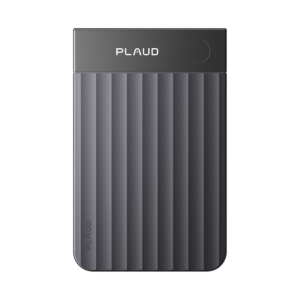
Owners of AI recorders know this kind of plan. The Plaud Note Pro also ships with a monthly allowance of transcription minutes and sells more on top. Plaud, though, lists its plan prices on its website, next to the hardware.
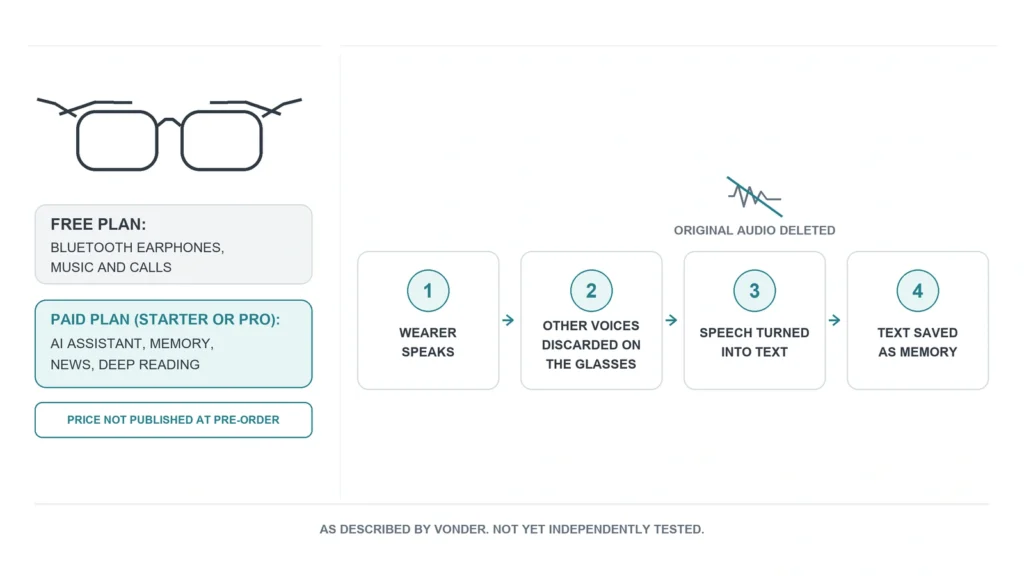
How VONDER says it handles your voice
Privacy is the other half of the pitch. VONDER says the glasses recognize the wearer’s voice and discard other voices on the glasses themselves. They keep your words as text memories and delete the original recording. The company also says it keeps no voiceprints or biometric data, and that you can trace, review and delete every memory in the app.
Recording other people is opt-in. You have to switch on Meeting Mode, which lights an indicator that people nearby can see. A physical control on the temple takes everything off the record at once. The terms add that the recording features are off by default.
All of that is VONDER’s description. No pair has shipped, so we have no independent check that other voices are dropped and the audio deleted as described. The first reviews won’t arrive before November.
Compared with Ray-Ban Meta Audio
Ray-Ban Meta Audio, the camera-free pair Meta announced on September 23, is the obvious rival. It starts at $349 and ships on October 13. Meta AI answers by voice on it without a subscription. VONDER is $50 cheaper to buy and claims more battery, over 16 hours to Meta’s rating of up to 12.
Whether VONDER stays cheaper depends on a number it hasn’t published. At a few dollars a month, a plan would erase the $50 gap within a year or two, and a pricier plan would close it sooner. If you want the assistant on your face and don’t care which company runs it, Meta’s pair is the one whose total cost is already known.
The pre-order terms
Glasses bought directly from VONDER can go back within 30 days of delivery. They need to be in like-new condition, and you have to contact support first. Return shipping and a handling fee may apply. Pairs bought at Best Buy follow Best Buy’s policy instead. The warranty runs 365 days.
Prescription orders can be canceled only within 24 hours of ordering, and after that they can’t be returned or exchanged. That makes a prescription pair a bet on plan prices you haven’t seen, so wait for those prices before ordering one. A non-prescription Basel pair bought direct is the lower-risk way in. The 30-day return window starts on delivery, so you can still act on a plan price you dislike.
Still unknown on pre-order day
- The price and usage limits of the Starter and Pro plans
- The shipping date within November
- Which countries VONDER will ship to (the terms say only those offered at checkout)
- Independent checks of the voice filtering and the audio deletion